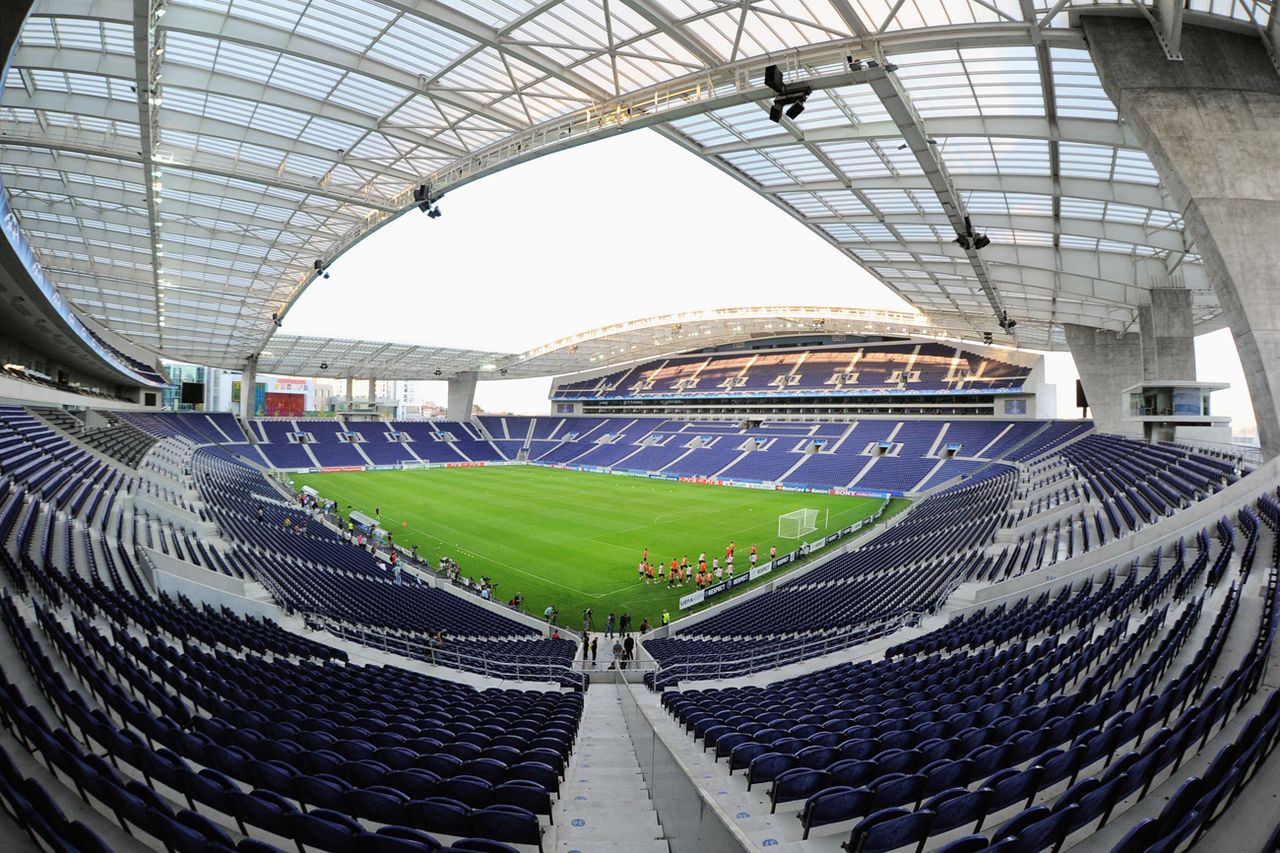
A shocking incident unfolded in Utrecht, Netherlands, leaving a trail of destruction and a hefty bill in its wake. Following a Europa League clash, a group of FC Porto supporters unleashed a wave of vandalism across eight rental buses, resulting in an estimated €80,000 to €100,000 in damages. This incident has not only sparked outrage but has also forced transport companies to critically re-evaluate the risks and responsibilities associated with transporting football fans.
A Costly Rampage: The Utrecht Vandalism Incident
The events leading to the extensive damage transpired as FC Porto fans were being transported to the Galgenwaard Stadium for their Europa League match against FC Utrecht. What was meant to be a routine journey quickly devolved into chaos, highlighting a worrying trend of destructive behavior by a minority of football supporters.
According to Martijn van der Kroef, director of the rental company Pouw, the vandalism began even before reaching the stadium. Police intervened, arresting forty individuals, with some specifically for acts of vandalism on one of the buses. This particular bus, carrying 73 football supporters, was promptly removed from the convoy due to the severe disruption and damage already incurred.
However, the problems did not end there. The remaining seven buses in the convoy also became targets of destruction. Van der Kroef detailed the extent of the damage, painting a grim picture of the aftermath:
- Broken Windows: Multiple windows were shattered, compromising the structural integrity and safety of the vehicles.
- Ripped Out Roof Vents: Supporters used sheer force to pull out roof ventilation systems, creating significant repair challenges.
- Damaged Seats: Upholstery torn, frames bent, and general destruction to seating arrangements.
- Removed Air-Conditioning Units: Integral components of the bus's climate control system were forcibly dislodged.
- Broken Lamps: Interior lighting fixtures were smashed, adding to the list of necessary repairs.
Van der Kroef expressed his disbelief and frustration, stating, "Why? is the biggest question. Why do you have to destroy things? I don't understand." He emphasized that these were no ordinary buses; they were designed to be "vandal-proof," lacking typical susceptible features like curtains or extensive upholstery. Yet, the determined force applied by the fans managed to cause catastrophic damage, underscoring the intensity of the destructive spree. The repair costs, projected to be between €80,000 and €100,000, represent a substantial financial blow, impacting the company's resources and operational capacity.
Beyond the Damage: The Human Toll and Traumatic Experience for Drivers
While the financial cost of the vandalism is substantial, the human impact on the bus drivers involved is arguably even more significant. Martijn van der Kroef highlighted the profound psychological toll on his staff, describing the evening as "terrifying" and "traumatic." Drivers reported feeling "extremely threatened" during the ordeal, a sentiment that resonates deeply within the transport industry.
Being responsible for the safety of passengers while simultaneously witnessing and experiencing the destruction of your workplace by those very passengers creates an incredibly hostile and frightening environment. These drivers are professionals simply performing their duty, and to be subjected to such aggressive and disrespectful behavior can have lasting effects.
Pouw, the bus company, has recognized the gravity of the situation and immediately deployed a dedicated support team to assist the affected drivers. This commitment extends beyond immediate crisis management, with ongoing discussions planned to ensure their well-being. The incident has not only damaged buses but has also shaken the confidence of drivers in safely transporting certain groups of supporters in the future. This critical evaluation by the company about continuing supporter transport represents a significant turning point, underscoring the need for safer, more respectful journeys for everyone involved. For a deeper dive into how this incident is causing bus companies to rethink their strategies, read our related article: FC Porto Fan Vandalism: Bus Company Rethinks Supporter Transport.
The Broader Context: Fan Culture, Responsibility, and the Future of Supporter Transport
The Utrecht incident involving the bus FC Porto fans vandalized is not an isolated event but rather a stark reminder of the challenges inherent in managing large groups of passionate football supporters. While the vast majority of fans are respectful and law-abiding, a minority can, unfortunately, engage in destructive behavior, often fueled by group dynamics, alcohol, or intense emotions surrounding a match.
The Ripple Effect: Financial, Reputational, and Logistical Challenges
Such incidents create a complex ripple effect that extends far beyond the immediate damage. For the rental company, the financial burden is enormous, encompassing not just direct repair costs but also increased insurance premiums, loss of income from buses being out of service, and potential long-term legal costs. The reputational damage for the football club, FC Porto, is also a concern, as such actions by its supporters can reflect poorly on the club's image, despite the club itself not endorsing such behavior.
Logistically, replacing eight damaged buses at short notice is a monumental task. It impacts other scheduled services, requires immediate access to spare parts, and demands significant workforce allocation for repairs. This places immense pressure on companies like Pouw, which are already operating within tight schedules and resources.
Lessons Learned: Towards Safer Supporter Journeys
To prevent similar occurrences, a multi-faceted approach is required, involving all stakeholders:
- Increased Security and Coordination: Better collaboration between police forces, club security, and transport companies is crucial. This includes pre-journey intelligence sharing and visible security presence on and around the buses.
- Fan Education and Accountability: Clubs and fan organizations have a role to play in educating supporters about responsible behavior and the consequences of vandalism. Clear codes of conduct should be communicated, and individuals identified should face appropriate penalties from both the law and their respective clubs.
- Robust Enforcement: Swift and decisive action by law enforcement, including arrests and prosecution, sends a strong message that such behavior will not be tolerated.
- Enhanced Bus Design and Technology: While buses like those of Pouw are "vandal-proof" to an extent, ongoing innovation in vehicle design, including more resilient materials and integrated surveillance systems, can further deter and identify perpetrators.
- Pre-screening and Communication: For high-risk matches, better communication between clubs, local authorities, and transport providers regarding fan numbers, travel plans, and potential risks can inform better security strategies.
It's important to differentiate between general supporter transport and the official team's transport. The official bus FC Porto uses, for example, is a custom-designed NEOPLAN Skyliner, a symbol of luxury and precision engineering. This magnificent vehicle stands in stark contrast to the rental buses that were so carelessly destroyed, highlighting the different standards and expectations involved. You can learn more about this incredible vehicle here: Unveiling FC Porto's Custom NEOPLAN Skyliner Team Bus. The discrepancy between the image of a professional club's transport and the actions of a destructive minority of its followers couldn't be more apparent.
The Utrecht incident serves as a regrettable reminder of the challenges faced when passion crosses the line into destruction. The estimated €100,000 in damages and the traumatic experience for the bus drivers are powerful indicators that current measures are not always sufficient. Moving forward, a concerted effort from football clubs, fan groups, law enforcement, and transport companies is essential to foster a culture of respect and responsibility. This will not only protect property and personnel but also preserve the true spirit of the beautiful game, ensuring that journeys to support a team are safe, secure, and enjoyable for everyone.